
Mount Kilimanjaro
Stand on Africa's highest summit with a carefully paced trek.
A place that stays with you.
Trek through changing ecological zones to Uhuru Peak with experienced crews and acclimatization-focused routes.
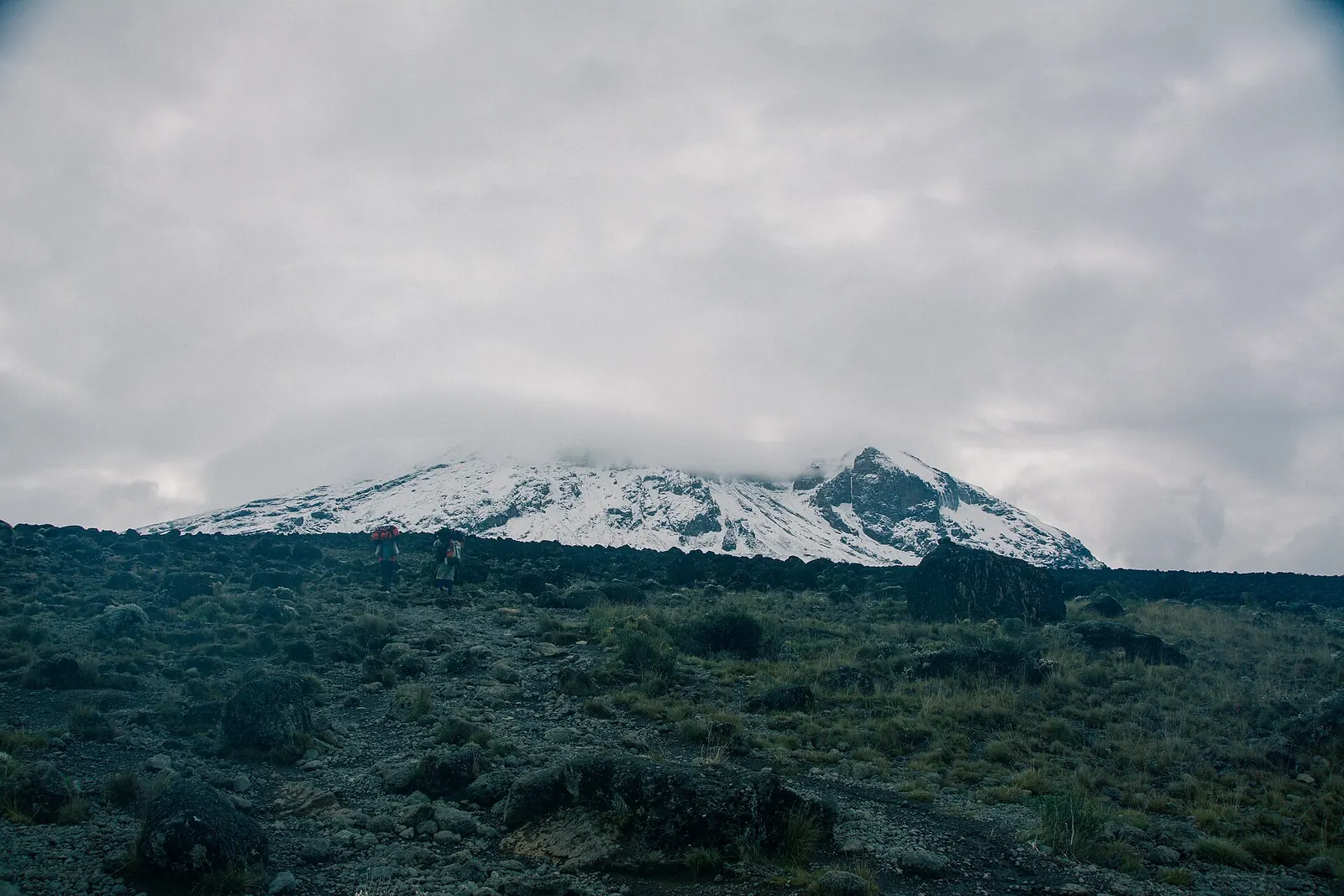
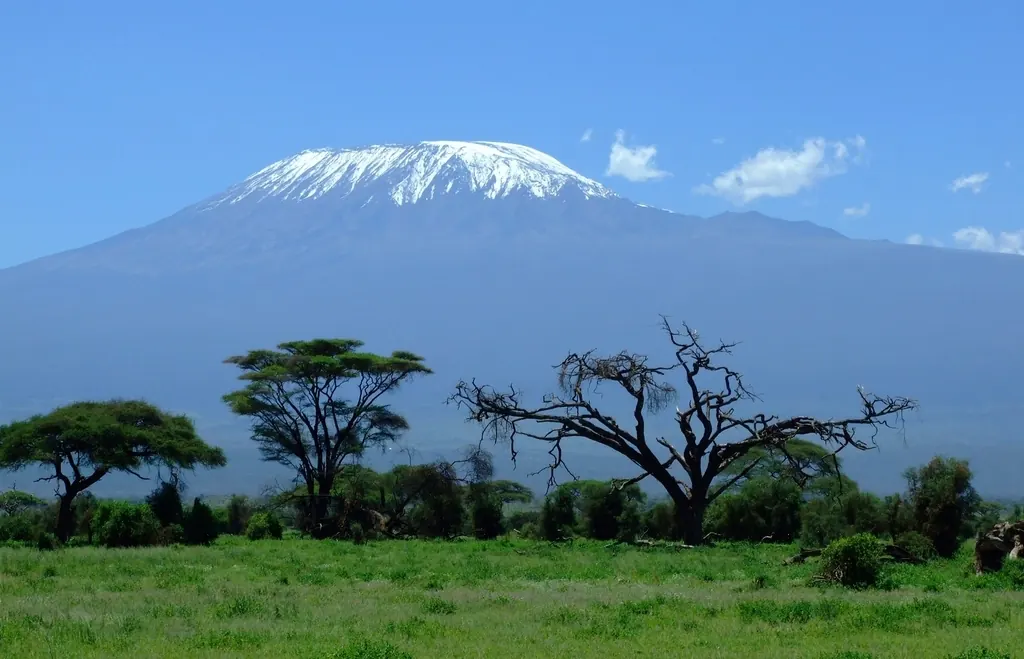
At 5,895 metres, Mount Kilimanjaro is the highest mountain in Africa and the world's tallest free-standing mountain. No technical climbing is required, which makes Uhuru Peak one of the great achievable summits for fit, well-prepared trekkers.
The trek passes through five distinct zones: cultivated foothills, montane rainforest, heath and moorland, high alpine desert and the glaciated summit. Each day feels like a new landscape.
Acclimatization matters more than speed. Longer routes such as the Lemosho (7 to 8 days) and Machame (6 to 7 days) allow a gradual ascent and give the best chance of reaching the summit safely.
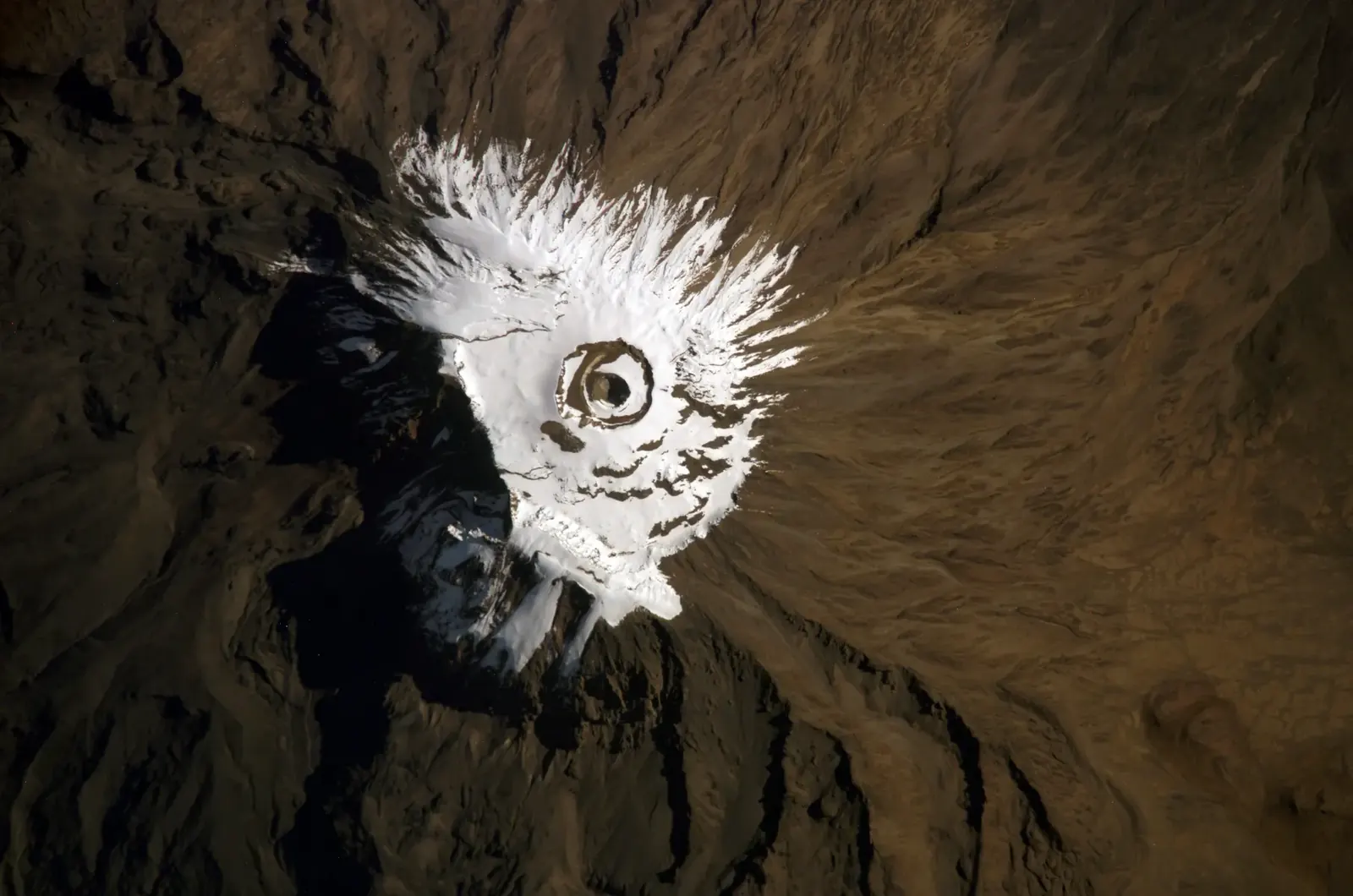
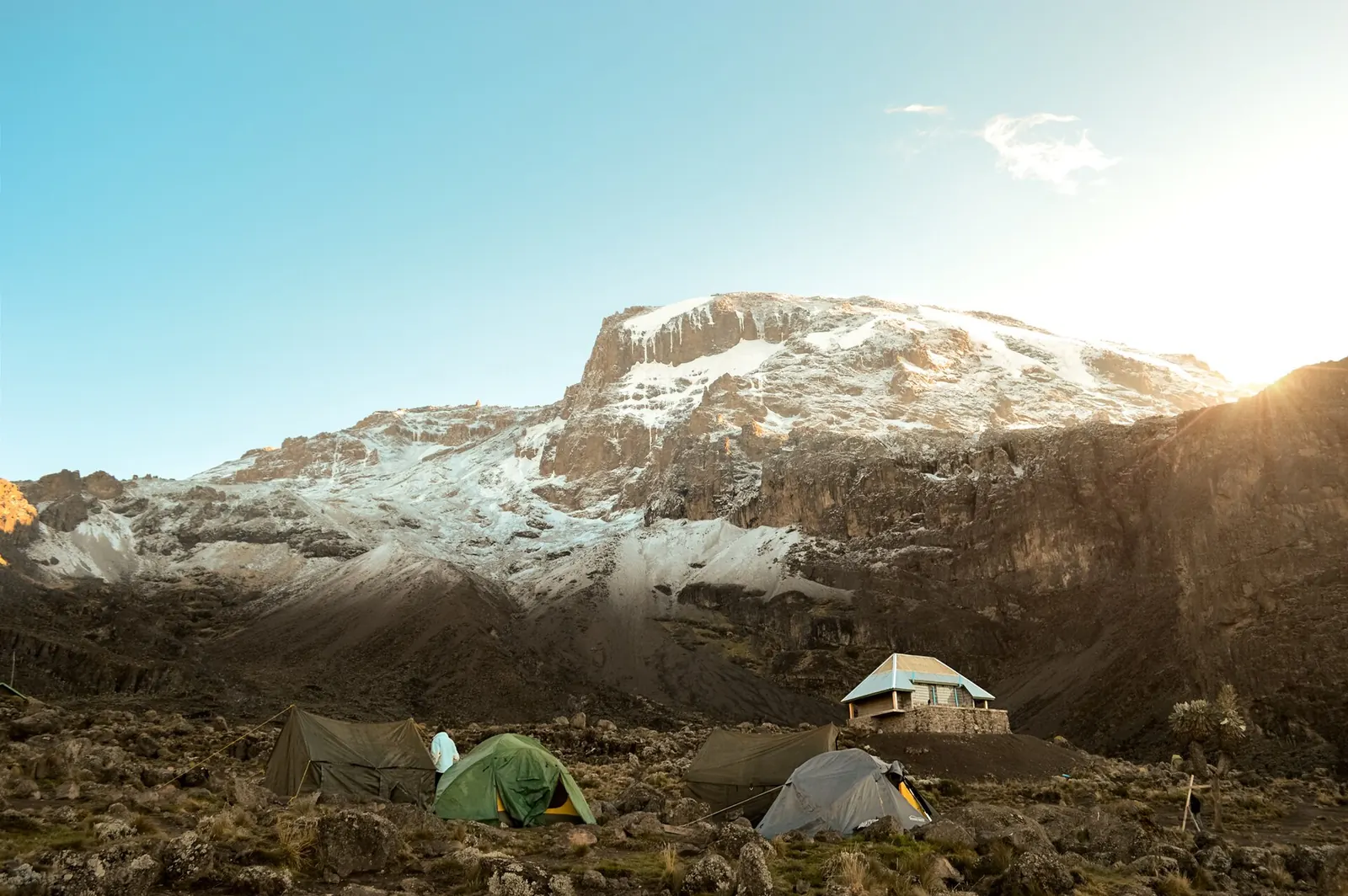
What you can see in Kilimanjaro.
- Colobus monkey
- Blue monkey
- Giant groundsel
- Lobelia
- White-necked raven
- Four-striped grass mouse
Getting there.
Treks start from Moshi or Arusha, both within about an hour of Kilimanjaro International Airport (JRO). A Kilimanjaro trek combines well with a northern circuit safari or Zanzibar.
Kilimanjaro questions.
Which Kilimanjaro route is best?
For most trekkers we recommend the Lemosho or Machame route because their longer itineraries and 'climb high, sleep low' profiles help acclimatization. The best choice depends on your time, experience and preferred scenery.
How hard is it to climb Kilimanjaro?
It is a non-technical trek, but altitude makes it a serious challenge. Good fitness, a longer route, steady pacing and an experienced crew all improve your chances. No route can guarantee a summit.